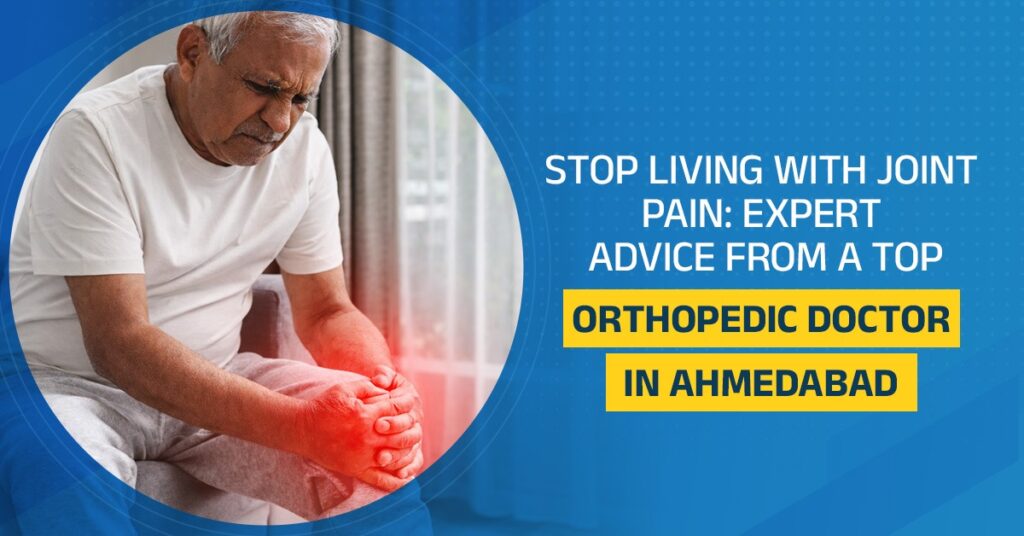
Stop Living with Joint Pain: Expert Advice from a Top Orthopedic Doctor in Ahmedabad
Joint pain is a big issue that affects millions of people every single day. For many, it starts as a mild ache. Over time, it can become a serious problem. It makes simple, everyday tasks feel impossible. Walking, bending, or even sitting for long periods can hurt. Many people ignore these early signs. They assume the pain will just fade away on its own. Unfortunately, this is a common mistake. Ignoring the pain often makes the underlying condition worse. This is why seeking expert advice is absolutely crucial. A top orthopedic specialist can diagnose the exact problem. They can offer the right treatment to restore your mobility. Do not let joint pain stop your life. There are proven ways to manage and treat it effectively. Common Causes of Joint Pain: Identifying the Root Issues Joint pain does not happen without a reason. Knowing the exact cause is the very first step toward finding relief. Several different factors can trigger this discomfort. Arthritis This is one of the leading causes of joint pain worldwide. Osteoarthritis happens when the smooth (protective) cartilage wears down. This occurs slowly over time. Rheumatoid arthritis is very different. It is an autoimmune disease. It causes your own body’s immune system to attack its own joints, leading to painful swelling. Both conditions require immediate medical care. Injuries and Trauma Accidents happen unexpectedly. A sudden fall or a sports injury can severely damage your joints. Sprains, strains, and bone fractures are common culprits. Sudden trauma needs urgent medical attention. Quick treatment prevents long-term, permanent damage. Overuse or Repetitive Stress Many modern jobs require repetitive physical motions. Typing on a keyboard, heavy lifting, or standing all day can stress your joints. Athletes also face this issue frequently. Tendinitis is a common result of this overuse. Giving your joints proper rest is highly important. Age-Related Factors As we grow older, our bodies naturally change. Cartilage naturally wears down over the decades. The lubricating fluid inside our joints decreases. This makes joints feel stiff and painful in the morning. Aging is entirely natural, but living with severe, debilitating pain is not. When to Seek Help: Knowing the Right Time Occasional aches after a long day are normal. Constant, sharp pain is not. You need to know exactly when to see a doctor. Do not wait until the pain becomes unbearable. Early treatment always yields better results. Identifying persistent or worsening symptoms Watch out for pain that lasts more than a few days. Notice if the pain gets significantly worse at night. Look closely for swelling, noticeable redness, or unusual warmth around the joint. If you cannot put any weight on your leg, get help immediately. These are serious red flags. How joint pain can affect daily life and mobility Joint pain quickly robs you of your personal freedom. It makes climbing a flight of stairs a massive chore. It stops you from playing with your children or grandchildren. It can even disrupt your sleep patterns. When pain actively limits your daily activities, it is time to take action. You deserve to regain your mobility with proper care. The Role of Orthopedic Specialists: How They Can Help You do not have to fight chronic joint pain alone. Orthopedic specialists are here to guide you. They are highly Qualified and trained experts in the human musculoskeletal system. They know your bones, joints, ligaments, and muscles inside out. The expertise of an orthopedic doctor in diagnosis and treatment A general physician is great for basic healthcare. However, severe joint pain requires a dedicated specialist. Orthopedic doctors use advanced diagnostic tools. They utilise X-rays, MRI scans, and specific blood tests. They figure out the exact root cause of your pain. Then, they provide highly targeted treatments. This can include specialised medication, guided physiotherapy, or targeted injections. In some severe cases, minimally invasive surgery is the best option. Importance of personalised care plans for joint pain Every single patient is unique. What works perfectly for one person may not work for another. Top orthopedic doctors create highly personalised care plans. They carefully consider your age, your daily lifestyle, and your overall health. A tailored approach always ensures the best possible results. It significantly speeds up your recovery time. Real-life Experiences of Patients in Ahmedabad Many people across Ahmedabad have successfully overcome severe joint pain. Their real-life stories offer immense hope. You can find lasting relief, just like they did. Share inspiring patient stories Consider the story of a local teacher who struggled to stand in class due to severe knee pain. After consulting a top specialist, they received a custom treatment plan. Within just a few months, they were walking to the classroom without pain. Another patient suffered from chronic shoulder pain for years. It completely stopped them from playing amateur tennis. With expert physical therapy and medical guidance, they are finally back on the court. Highlight positive outcomes from seeking expert care These stories clearly show the power of expert orthopedic care. Patients consistently report less pain and much greater mobility. They sleep better at night. They enthusiastically return to their favourite hobbies. They regain their personal independence. Expert medical care truly changes lives for the better. How to Find the Right Orthopedic Doctor in Ahmedabad Choosing the right doctor is a critical decision. Ahmedabad has many excellent medical professionals. However, you need to find the absolute best fit for your specific needs. Tips on choosing an experienced and trustworthy specialist Start by carefully checking their medical credentials. Look for board-certified orthopedic surgeons with strong backgrounds. Read patient reviews online to understand their experience. Ask your family and close friends for personal recommendations. A truly good doctor will listen closely to your concerns. They will explain complex medical terms clearly. The benefits of seeking local care from reputable clinics Local clinics offer unmatched convenience. You do not have to travel long distances for regular appointments. Reputable clinics in Ahmedabad have state-of-the-art medical facilities. They offer comprehensive care directly under one roof. This makes your